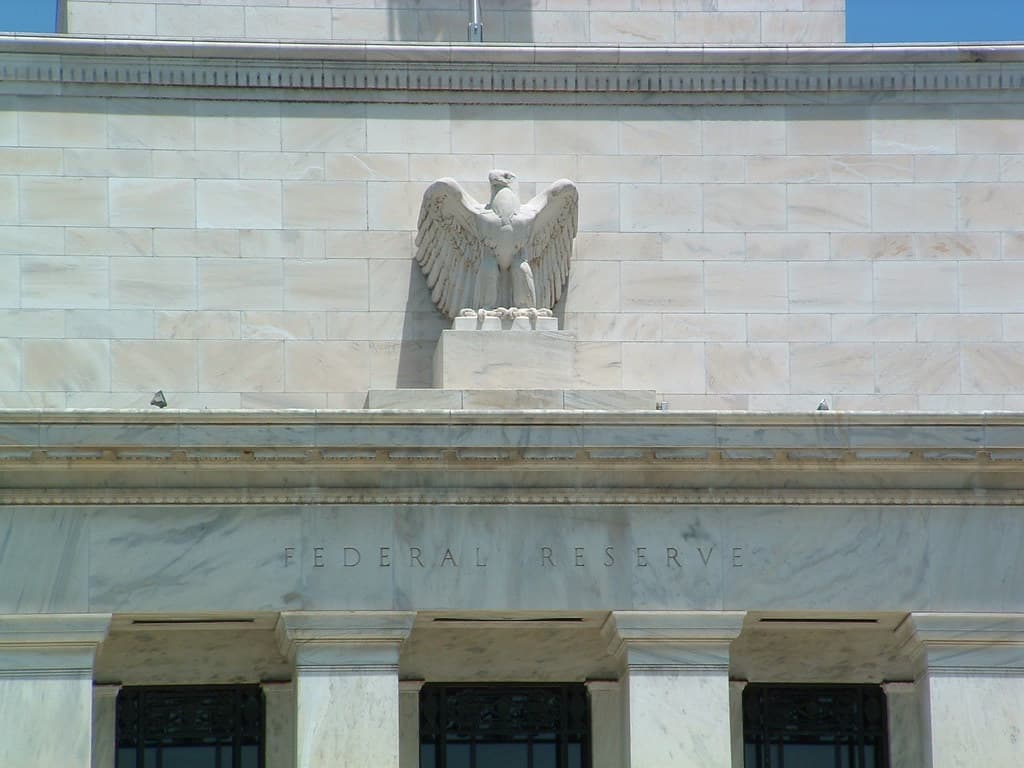
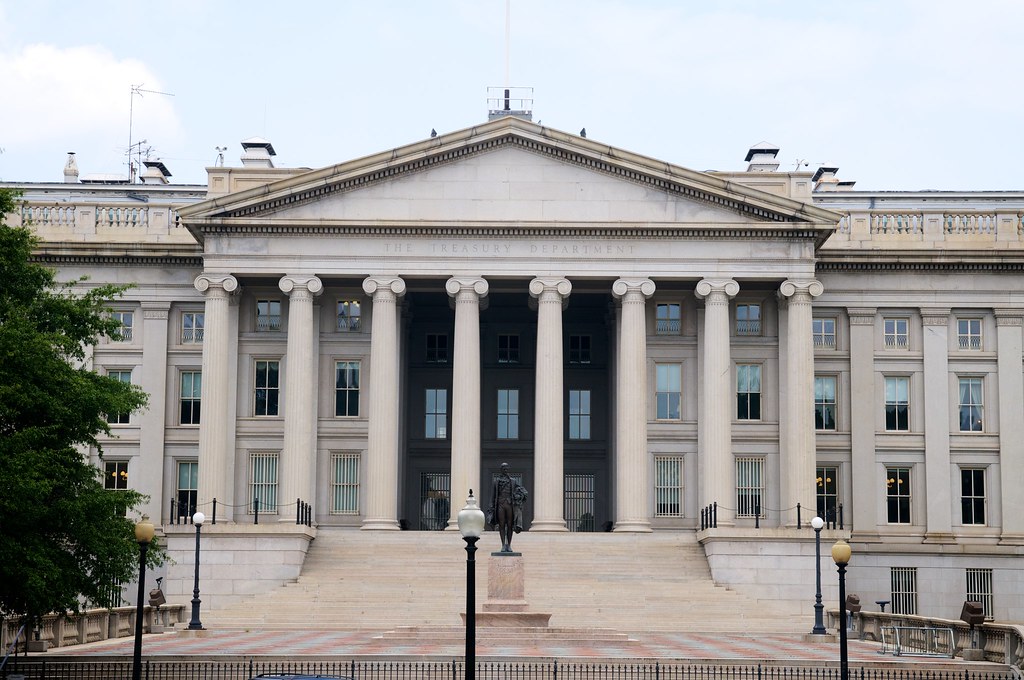
The fiscal gravity narrative reads as unambiguous stress: gravity_level is HIGH, net issuance is CRITICAL, and the accompanying language warns of "expect significant yield spikes and crowding out of private credit." Treasury issued more than it redeemed on four of the last seven days. That is the kind of supply pressure that should, in the textbook version of this story, push yields higher and widen credit spreads as the market demands compensation for absorbing the flood.#
Instead the tape shows the opposite of alarm. The 10-year yield curve (2s10s) moved by only 4 basis points between 1 and 2 July, and credit spreads actually tightened by 0.01 over the same window. The VIX sits at 16.59, up a trivial 0.9%, nowhere near levels associated with credit stress. If a supply tsunami were genuinely overwhelming demand, that stress should show up first in spreads and volatility. It has not.#
This is the same tension the desk flagged on 3 July when the regime downgrade landed alongside a muted reaction in gold and equities: the labor data said one thing, the market's pricing said another. Now the fiscal data is escalating (issuance up to CRITICAL from the prior TSUNAMI framing on 2 July, the TGA drawdown widening to $95.5 billion) while the market's own risk gauges stay flat. Two consecutive days of intensifying fiscal pressure without a corresponding move in yields or spreads is no longer a one-day artifact; it is a pattern.#
The bond market is being asked to absorb record supply and a large liquidity injection at the same time, and its refusal to reprice either yields or spreads suggests investors read the drawdown as offsetting the issuance, not the other way round.#
That offsetting read is plausible on the numbers: a $95.5 billion TGA drawdown over 30 days is itself a liquidity release, cash flowing back into the system even as fresh paper is sold into it. If the drawdown is large enough relative to net issuance, the two can wash out in aggregate demand for duration, leaving yields anchored even as the CRITICAL label sits on net issuance. That would explain calm spreads better than any assumption that the market has simply not noticed $88.9 billion of weekly supply.#
The weakest link in this reading is that it assumes the TGA drawdown and the issuance flood are being priced together by the same set of buyers, when in practice the drawdown supports risk assets and money-market liquidity broadly while issuance lands specifically on Treasury duration; a calm 2s10s move does not prove the two are actually netting against each other rather than simply not yet showing up in a thin data window.#
The regime signal itself remains NEUTRAL, not AGGRESSIVE and not defensive, with M2 still expanding and inflation still tagged sticky rather than falling. That combination, expanding money supply against sticky prices, keeps the Fed's cutting case exactly where the desk left it on 4 July: unsupported by anything beyond a participation-driven unemployment print. The ISM Services PMI due 06 July, forecast at 54.2 against a previous reading of 54.5, is the next test of whether the services side confirms the soft-landing-adjacent slowdown or pushes back against it. If net issuance stays at CRITICAL through another week without yields or spreads moving, the offsetting-liquidity read holds; if the FOMC minutes due 08 July reveal discomfort with the pace of debt-cost increases (already flagged at 3.35% and rising), that would be the first sign the calm is about to break.#