The Strategic Petroleum Reserve fell by roughly 3 million barrels last week to 316.5 million, the lowest level since 1983. It landed the same week Hormuz ship traffic dropped 60% amid renewed fighting, per Kpler, and the same week Kazakhstan's first-half oil output came in down 8.4% on the Ministry's own figures, cited by IFX. None of these three facts alone forces a rewrite. Together, they chip away at the offset the desk has leaned on since 10 July 2026, when Nigeria's six-year output high and a looser global balance were doing the work of dismissing Iran-driven price spikes as premium without substance.#
WTI crude has climbed to 80.1, up 2.51% intraday and 13.71% over five days as of 14 July 2026. Brent has gone further, at 86.55, up 3.9% intraday and 16.71% over five days, a fresh 20-day high. Realized volatility in WTI sits at 54.2% of its 20-day range, well above where this market has traded for most of the past month. This is no longer a quiet grind. It is a market repricing something.#
Here the two grades pull apart. The CFTC's 7 July 2026 report still shows WTI managed money extending net shorts, not building fresh longs: the net short grew by 472 contracts on the week, and the Williams COT index for that net position stands at 99 on its 52-week range, effectively the smallest net short of the entire year on a book that remains short. Brent tells a different story. Spec money added to net longs, up 5,761 contracts on the week, with its own index at 55.3, comfortably mid-range rather than extreme. The two crudes are being read by the speculative crowd in opposite directions even as both climb together on the tape.#
A reserve at its lowest level since 1983 removes the one buffer that made a growing WTI short defensible; the position has not yet caught up to that fact.#
One question needs separating from the rest: whether the physical market has tightened, which it plainly has on multiple fronts at once, and whether the SPR draw itself is a policy choice or a genuine loss of slack. A drop to its lowest level since 1983 does not automatically mean an inability to respond to a further shock. The reserve could in principle be replenished once prices ease, and a government drawing down stocks into strength sends a different signal than one drawing down stocks because it has no better option. The data here does not distinguish the two, and that ambiguity is what makes this read as a structural tightening, rather than a rebalancing choice, less than certain.#
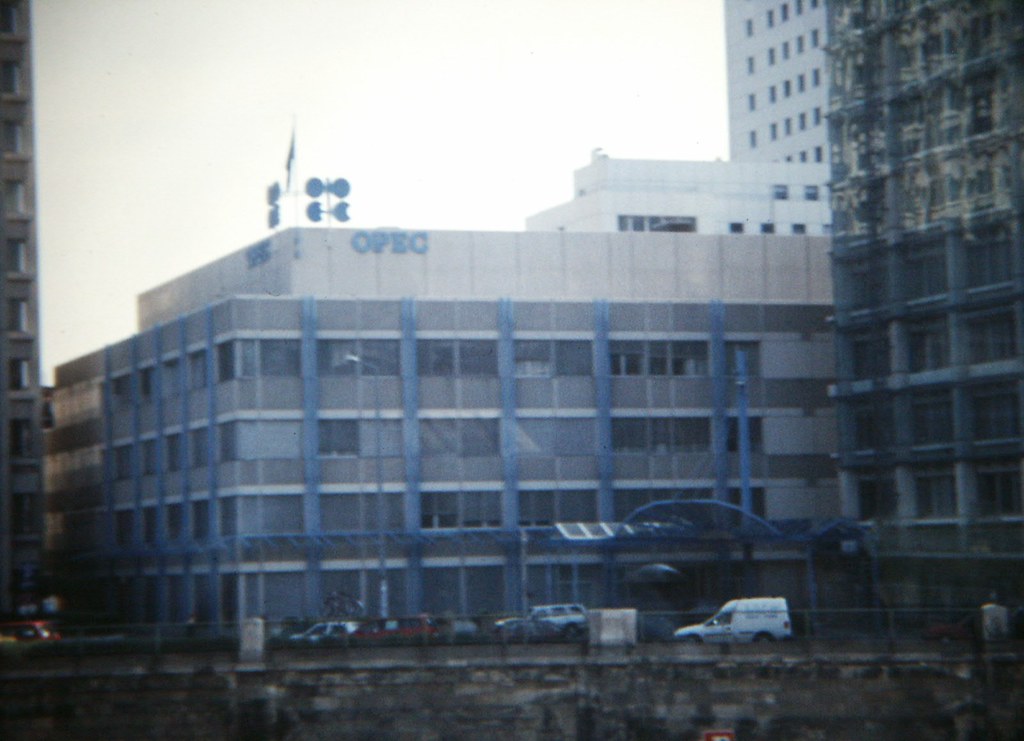
OPEC, for its part, raised its 2027 global demand growth forecast to 1.94 million barrels a day from a prior 1.73 million, a bullish revision that drew almost no tape reaction: WTI crude moved just 0.21% in the 60 minutes after a related Iran blockade headline against a typical 60-minute move of 0.37%, itself no discernible reaction. The market is not short of bullish narratives to choose from. What it is short of, so far, is a speculative base willing to buy them outright in WTI.#
The next test is mechanical, not rhetorical. If the following COT report, covering the week that includes this SPR print and the Hormuz disruption, still shows WTI managed money extending its net short rather than beginning to cover or build fresh longs, the desk's structural-looser-balances read survives this shock much as it survived the two before it. If instead that short starts covering or flipping, the SPR draw will have done what two prior Iran headlines could not: forced the position to change, not just the price.#