The mechanical case for dollar strength is straightforward. The 2-year Treasury yield sits at 4.21%, in the 99.6th percentile of its past year, with a z-score of 2.23. The futures curve prices roughly 40.5 basis points of tightening over 12 months, implied front at 3.66% rising to an implied 4.065%. Add a wire report calling the yield move oil-driven, and the textbook response is a firmer dollar chasing a wider rate advantage.#
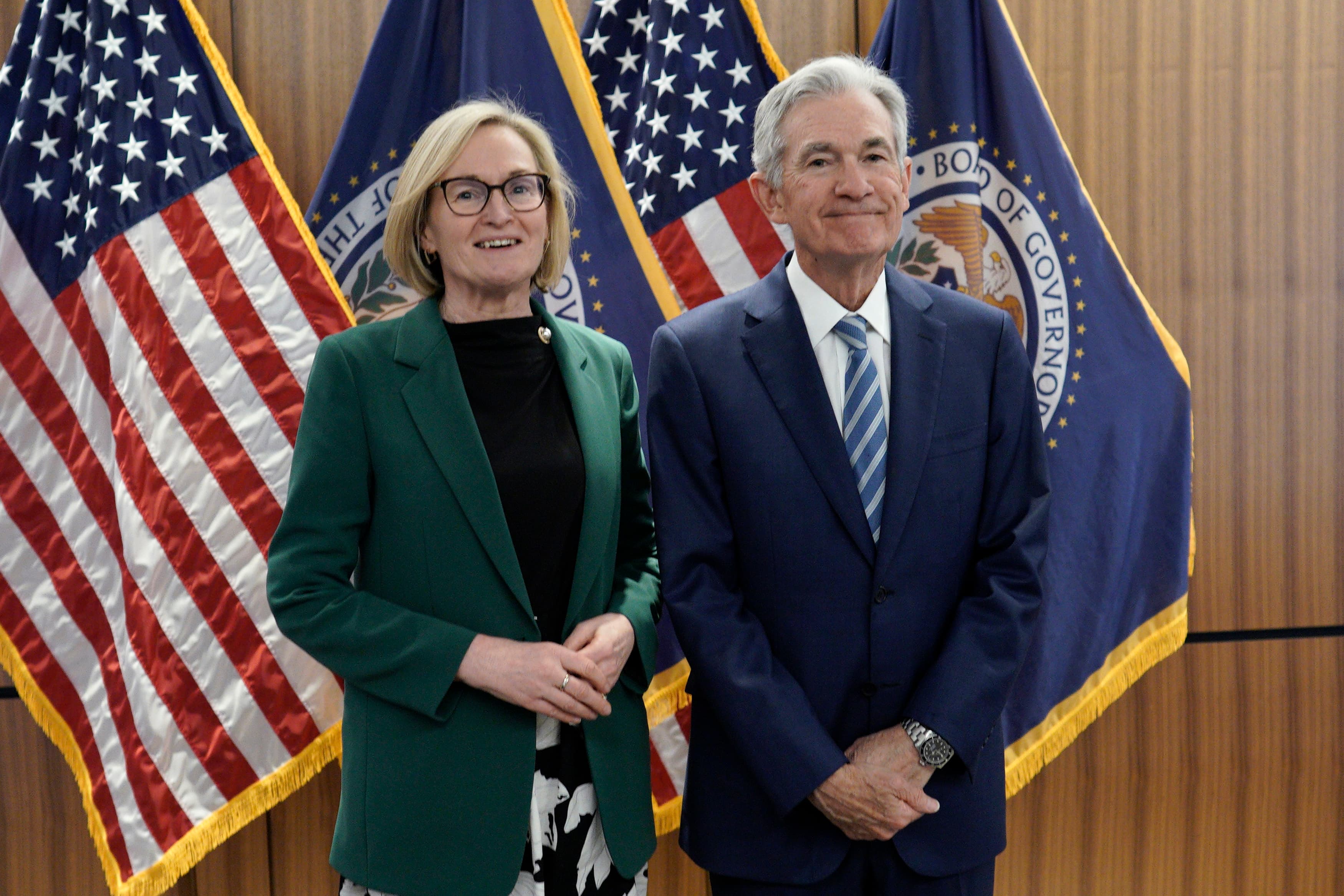
The dollar has not obliged. It is down 0.55% on the day and 0.41% over five sessions, sitting closer to its 20-day low of 99.54 than its high of 101.61. The proximate cause, published on 14 July 2026, is Fed governor Waller's remarks. He is 'resolved to avoid repeating Fed mistake in 2021', flags a labor market that is 'less tight now' and says inflation expectations are anchored. That is about as direct a dovish framing as a sitting governor gives, even as the same account has him flagging an 'equally likely scenario that stricter policy will be required'. The market's reaction to those two lines, in the hour after each headline, was a flat 0.00% move against a typical 60-minute move of 0.03%: no discernible reaction to either sentence alone. But the positioning book has been moving all week, and it has moved dovish.#
Start with the euro. Leveraged funds added back 16,959 contracts to their euro net short over the latest week, shrinking the position; CFTC data's own flow label calls it short-covering. That short is still deep, at negative 66,057 contracts and sitting at just the 2.6th percentile of its three-year range, essentially the most stretched short-euro book in three years. The yen shows the same pattern: net short shrank by 33,597 contracts, also flagged short-covering, with the position at the 7.1th percentile over three years. Swiss franc shorts covered by 2,373 contracts; Canadian dollar shorts by 5,015; even the dollar index's own small net short covered by 1,121 contracts. Four separate currency books, all moving the same direction in the same week: dollar shorts being unwound, or dollar-adjacent shorts being trimmed.#
The question that matters is whose voice the Fed actually follows. A crowd that has spent months building some of the most stretched dollar-long positions on record is now unwinding into Waller's framing before Warsh has even testified. The dovish read is not a forecast. It is already priced into the flow.#
Both stories are true in the same 24 hours. Waller's 2021-mistake language argues for patience despite the oil-driven yield backup. The short-end tape argues the market is still pricing hikes into the rate-differential story. The euro and yen short-covering says the position is being built for Waller's version to hold. It does not yet say the position is being reversed into fresh dollar longs, since none of these books flipped net long. They only got less short.#
Short-covering is not the same evidence as conviction. A book at its 2.6th percentile can cover for weeks and still be net short. This week's flow shows the crowd taking risk off a crowded trade, not committing to the opposite one. The dollar's next test is concrete and dated. Fed chairman Warsh testifies again on 15 July 2026 at 14:00 UTC, hours before the Core PPI and PPI prints land at 12:30 UTC the same day, forecast at 0.4% and 0.0% respectively against prior readings of 0.4% and 1.1%. If the Dollar Index resumes a sustained rally alongside further short-end yield increases through that testimony and print, without additional euro or yen short-covering in the next CFTC report, the dovish-repricing read fails and the rate-differential story reasserts itself.#