Start with what changed since 14 July 2026. The prior piece treated 3.8% as a forecast the market was already betting against, given a 2-year yield sitting at a five-month high. The print has now landed below even that lowered bar, at 3.5% year on year. Core CPI, seasonally adjusted, actually declined to 336.07 in June from 336.121 the prior month. That is not a base-effect quirk dressed up as progress. It is a month-on-month decline in the core index itself.#
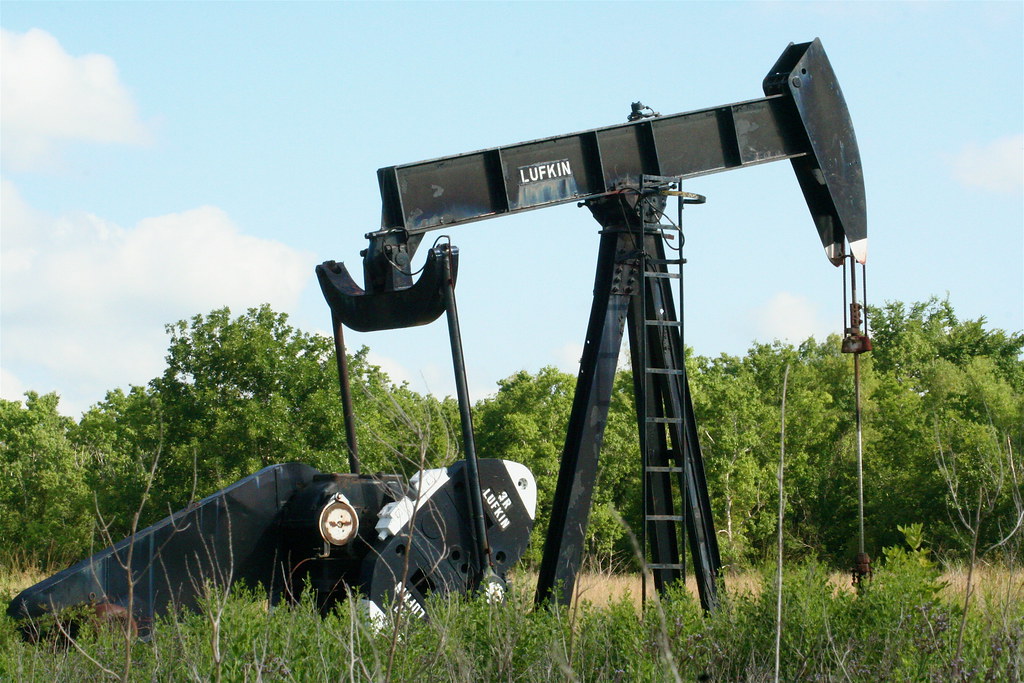
The escalation accompanying the print is what makes this a genuine test rather than a coincidence. Ship traffic through Hormuz has dropped 60% amid renewed fighting, according to Kpler, and Iran's IRGC claims to have destroyed a Patriot radar, a US Navy Fifth Fleet air control radar and a C-RAM early warning system in Bahrain. WTI crude is up 11.93% over five sessions and trading at 78.84, near the top of its 20-day range of 68.55 to 80.75. This is the scenario the desk has been waiting for: a real supply shock, not a rhetorical one, arriving the same week as the inflation print.#
A cooler CPI print landing inside a live military escalation, rather than merely a forecast, is a stronger disinflation signal than any of the geopolitical noise that preceded it.#
Yet the front end of the curve has not moved to reflect that. The 2-year Treasury yield sits at 4.21%, in the 99.6th percentile of its trailing year and 2.23 standard deviations above its recent average, with a velocity_21d reading of 0.36. The move has not been especially fast, but the level itself is extreme. Fed funds futures still price 29.5 basis points of tightening by the six-month horizon and 40.5 basis points by twelve months. If the bond market believed disinflation had genuinely won, that priced path should be moving toward tightening less aggressively, or toward cuts. It is not. It is holding a tightening bias into a softer print.#
The inflation data supports the disinflation case outright: core CPI fell in absolute terms, not just on a year-over-year comparison flattered by last year's base. But the rates market is pricing a world where the energy shock still forces the Fed's hand, whether through pass-through to headline prices or through the plain fact that WTI up nearly 12% in five sessions changes the near-term inflation trajectory the Fed has to forecast, not just the trailing print it just received. Gold's 2.41% move on 14 July 2026, against a 20-day realized volatility of 26.3%, is consistent with a market still pricing some of that geopolitical premium rather than pure disinflation relief.#
What is still unclear is whether the 2-year yield's extreme percentile reflects stale positioning from before the print, or a genuine judgment that the Hormuz disruption outweighs one soft CPI reading. That question resolves quickly. Thursday's PPI print, forecast at 0.0% month on month against a prior 1.1%, and Federal Reserve Chairman Warsh's testimony on 15 July 2026 both bear directly on whether the front end reprices toward the disinflation read or holds its current tightening bias. If the 2-year yield eases meaningfully after those events without a corresponding reversal in WTI, disinflation has won cleanly. If the yield holds near its current extreme while the oil shock persists, energy-driven reflation is still the dominant force the rates market is pricing, whatever the CPI print says on its own.#